June 9, 2025
Eco-Friendly Scaffolding: Building Safely and Sustainably
In today’s construction industry, sustainability is more than a buzzword—it’s a responsibility. As we build taller and faster, the pressure to adopt eco-friendly practices grows. One area that’s often overlooked in the green conversation is scaffolding. But did you know that scaffolding can significantly impact your project’s environmental footprint?
Sustainable scaffolding practices
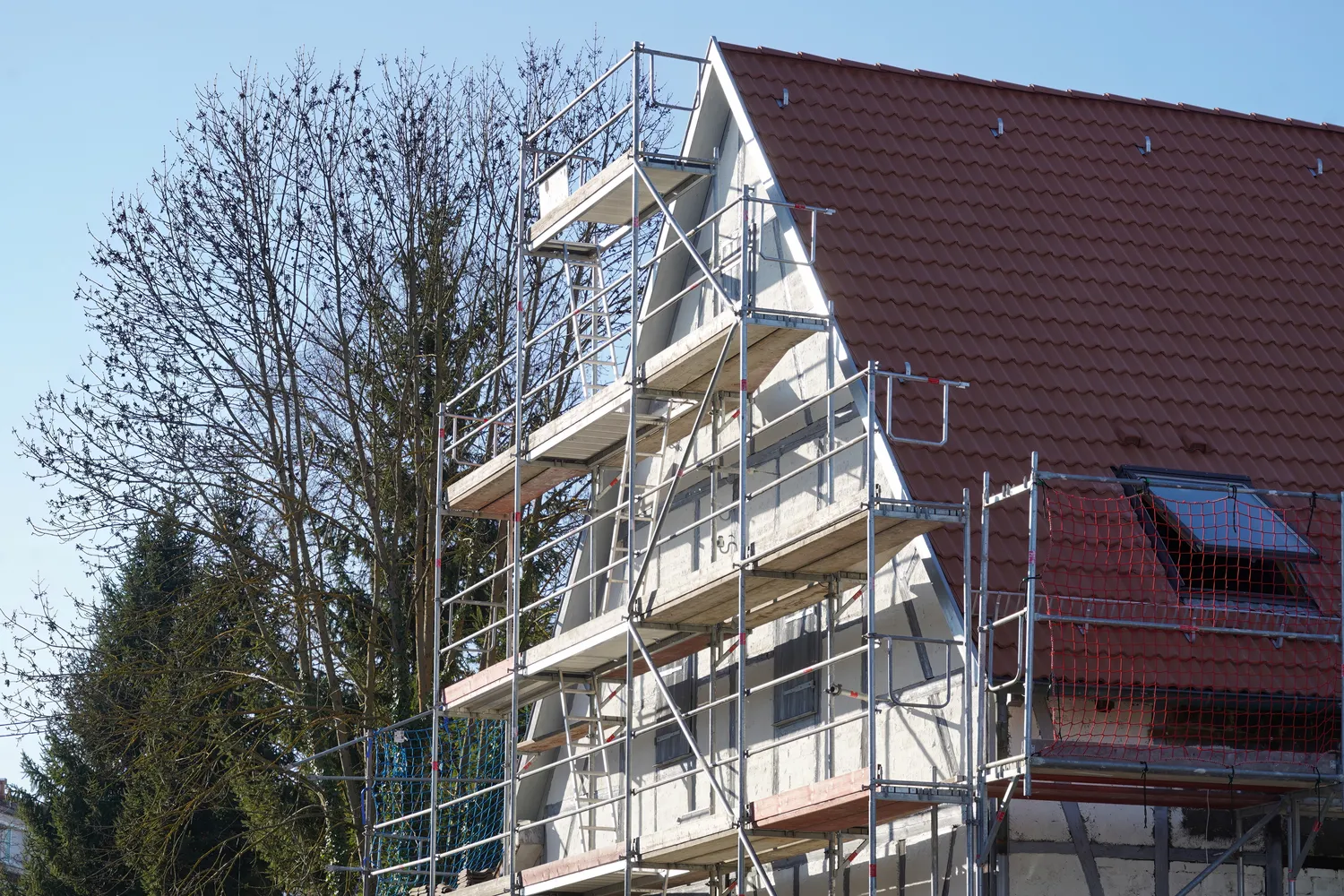
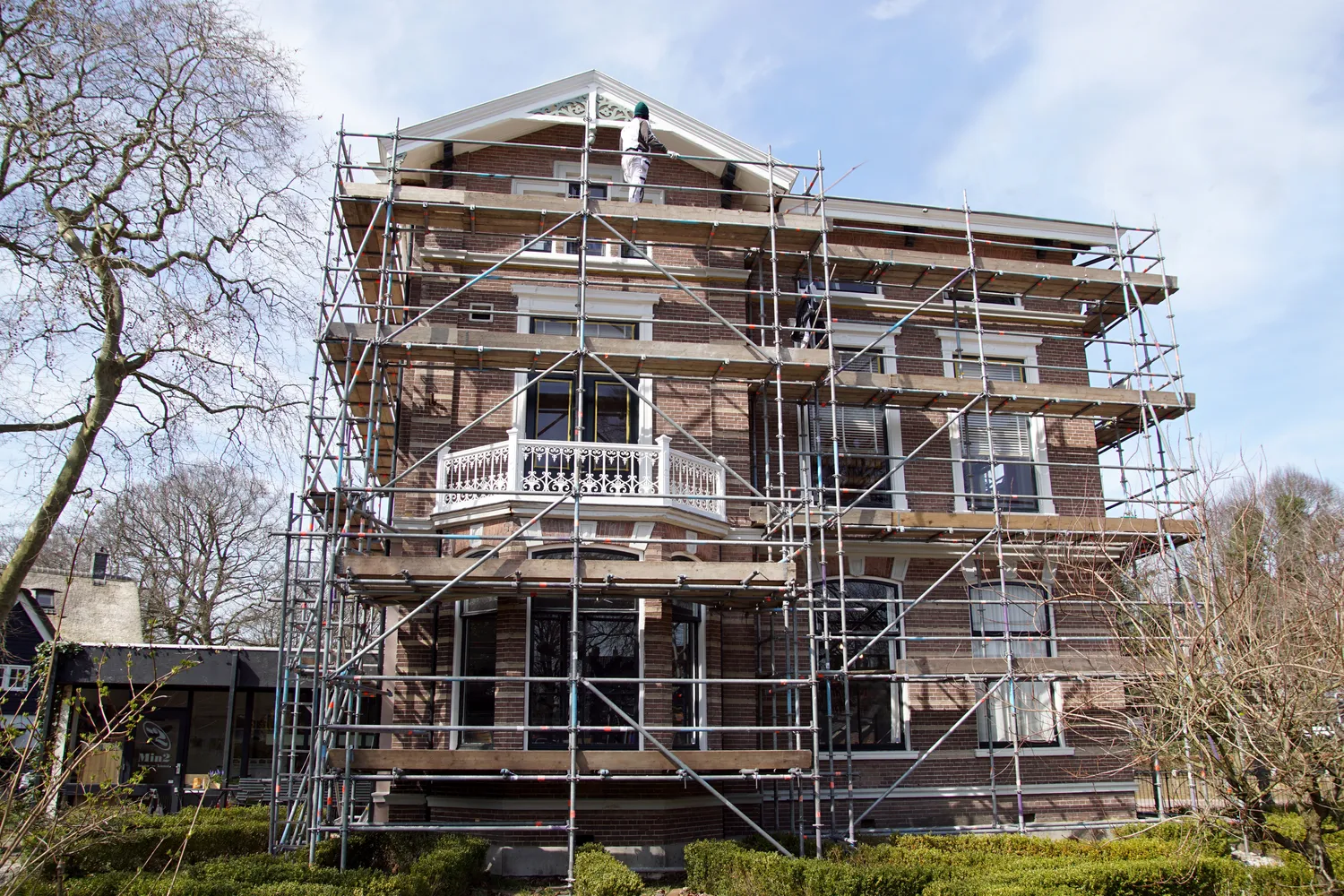
Using reusable scaffolding materials—such as steel and aluminum—reduces the need for constant replacements and minimizes waste. These materials are durable, recyclable, and have a longer lifespan compared to wood or plastic alternatives.
Benefits of eco-conscious scaffolding systems:
-
Less material waste: Professional scaffolding companies track and manage their systems efficiently, reusing equipment for multiple jobs.
-
Lower carbon footprint: Local scaffolding providers reduce the need for long-distance transportation, cutting emissions.
-
Energy efficiency: Modular scaffolding requires less time and equipment to assemble, which reduces overall energy consumption.
Smart logistics and planning
A well-organized scaffolding setup minimizes downtime and reduces excessive deliveries or on-site adjustments. Every small improvement in efficiency adds up to a more sustainable job site.
Build with purpose
Sustainability doesn’t have to compromise safety or performance. Choosing the right scaffolding partner can help you meet your green building goals while staying on schedule and budget.